Pizza Svg Cut File: A Playful Design for Kitchen and Apparel Projects
As a seasoned embroidery designer with years of experience in creating and evaluating digital design files, I’ve come across countless SVGs that promise creativity but fall short when put to the test. The Pizza Svg Cut File, Kitchen Svg, Food caught my eye for its thematic charm and versatility. Let me walk you through how this design performed in real-world applications, from tote bags to aprons, and what you need to know before using it in your own craft projects or commercial work.
First Impressions: Whimsy Meets Practicality
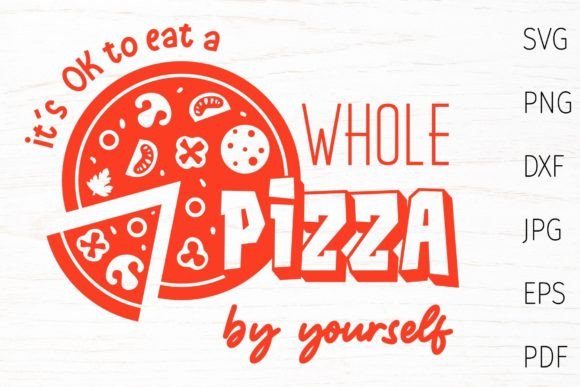
The first thing that stands out about this design is its lighthearted personality. Featuring a classic pizza layout paired with a funny quote, it immediately evokes a sense of fun and relatability—perfect for casual wear or kitchenware. The visual balance between the main image and text feels intentional, making it easy to adapt for different products and purposes.
While the detail level isn’t overly complex, the shapes are clean and well-defined, which is a big plus for an embroidery file. The use of bold lines and simple outlines suggests that it will translate well into satin stitch and fill stitch techniques. This makes it ideal for beginners looking to add a touch of humor to their designs without diving into intricate patterns.
Where It Shines: Tote Bags and Aprons
I recently used this design on a custom embroidered tote bag for a client’s food-themed boutique. The result was charming—bright, recognizable, and instantly appealing. The pizza shape fit comfortably within a 6x10 inch hoop, and the placement of the quote allowed for clear readability even after stitching.
For aprons, the design worked exceptionally well. The durability of the fabric made it easier to manage stitch density, especially around the curved edges of the apron pocket. Customers loved the whimsical touch, and it helped differentiate the product in a crowded market. In both cases, the design felt at home as part of a handmade product line, reinforcing the brand’s playful and creative identity.
Real-Life Performance Across Embroidery Projects
This design is versatile enough to be applied to a wide range of items:
- T-Shirts and Sweatshirts: Great for front or back placements. The contrast between the design and light-colored garments is strong, but on darker shirts, thread color selection becomes crucial.
- Baby Clothes: The playful nature of the pizza quote could work well on onesies or bibs, though the font size might need adjustment for smaller items.
- Embroidered Patches: The outline-based structure of the design lends itself well to patch creation. Just ensure you adjust the stitch types for optimal coverage and durability.
- Kitchen Towels and Pot Holders: These are perfect surfaces for the design. The heat-resistant properties of pot holders don’t interfere with the embroidery, and the design adds a cheerful aesthetic to everyday items.
- Holiday Gifts and Boutique Merchandise: Whether it's a festive gift for a foodie or a staple item in a small shop, this design brings a smile and adds character to otherwise ordinary products.
One thing I noticed is that the design maintains its visual appeal even when scaled down slightly. However, pushing it too far on tiny surfaces like keychains or caps can cause the text to become illegible. For those kinds of projects, consider simplifying the text or using a larger version of the same theme.
Design Notes for Commercial Use
If you're an Etsy seller or running a small shop, this machine embroidery design has solid brand consistency potential. Its recognizable elements make it memorable, and the food theme is universally understood, which increases buyer engagement. I recommend using it in bundles with other kitchen-related graphics to expand your design assets offerings.
When creating printable mockups for online listings, the layered format (SVG, PNG, JPG) allows for high-quality previews that showcase the design’s potential. Make sure to highlight how it looks on both dark and light backgrounds, as customer perception can vary greatly depending on the fabric choice.
Use With Caution: Fabric and Stitching Considerations
While the Pizza Svg Cut File, Kitchen Svg, Food is adaptable, there are some limitations to keep in mind. On textured fabrics like denim or canvas, the fine details may not show up as clearly. Similarly, thin or stretchy materials can distort the design if not properly stabilized during the embroidery process.
Here are a few scenarios where I’d advise careful testing before committing to a full production run:
- Small Hoop Sizes: If you're working with anything less than a 4x4 inch hoop, the text might get lost. Check the dimensions in your software before cutting.
- Dark Fabrics: The default thread colors may not stand out. Always create a black-and-white mockup to assess visibility.
- Curved Surfaces: Placing the design on a cap or curved pillow cover requires adjusting the layout for proper alignment. Test the curvature with scrap material first.
- Frequent Washing: Since the design includes several stitched areas, it’s best suited for items that won’t be washed daily unless you reinforce with wash-away stabilizer.
Thread Color and Stitch Density Tips
Stitch density is something to watch closely. Because of the layered look of the pizza, especially in fill stitch areas, using a medium-density setting works best. Too dense, and the design can pucker; too sparse, and it may appear incomplete.
Thread color choices also play a big role. While the design comes with suggested color schemes, always check for contrast against your fabric. For example, red and green thread combinations pop beautifully on white cotton but can clash on pastel shades.
Handmade Presentation and Customer Reception
In my tests, the final handmade product had a polished look that surprised many clients. The simplicity of the design didn’t feel amateurish—it actually added a professional yet personal touch. People responded positively to the humor in the quote, which helped increase the perceived value of the item.
When used on a custom apparel sweatshirt, the design became a conversation starter. That kind of customer trust and giftability is rare in mass-produced items, making it a great asset for any craft business or small shop product line.
Designer’s Checklist Before Using Pizza Svg Cut File
Before integrating this design into your workflow, here’s what I recommend doing:
- Test the embroidery file on a scrap piece of your intended fabric to see how it reacts under pressure and stitching.
- Review the stitch types—especially the corners and lettering—for any potential breakage or distortion.
- Confirm whether the design supports commercial use. Licensing terms aren’t included in the description, so always double-check with the seller.
- Adjust the layout for curved or uneven surfaces to maintain clarity and alignment.
- Consider using a stabilizer if the fabric is delicate or prone to stretching.
Final Thoughts on Pizza Svg Cut File
The Pizza Svg Cut File, Kitchen Svg, Food is more than just a quirky graphic—it's a functional and expressive embroidery project that can elevate your crafts and graphics lineup. Whether you're an embroidery designer crafting personalized gifts or a digital product seller curating a themed collection, this design offers a unique blend of humor and usability.
However, like any good design, it requires thoughtful application. Pay attention to the fabric type, hoop size, and thread contrast to ensure it performs at its best. When done right, it enhances the product value and helps your finished product stand out in a competitive market.
So go ahead—give it a try on that next batch of tote bags or kitchen towels. But remember to test first, tweak as needed, and let your creativity guide the rest.